How Existing Roof Leaks Are Addressed Before a Roof Coating Is Applied
A roof coating should not be viewed as something that simply gets painted over an existing leak”— Jules Albert III

Press Release Disclaimer: This is a press release distributed through the XPR Media network. It has not been independently verified by our newsroom.

SLIDELL, LA, UNITED STATES, September 9, 2026 /EINPresswire.com/ —
Applying a roof coating over an existing commercial or low-slope roofing system involves more than covering the surface with a new material. Existing leaks, damaged membrane areas, deteriorated flashing, wet insulation and drainage problems generally require evaluation before a coating system is applied.
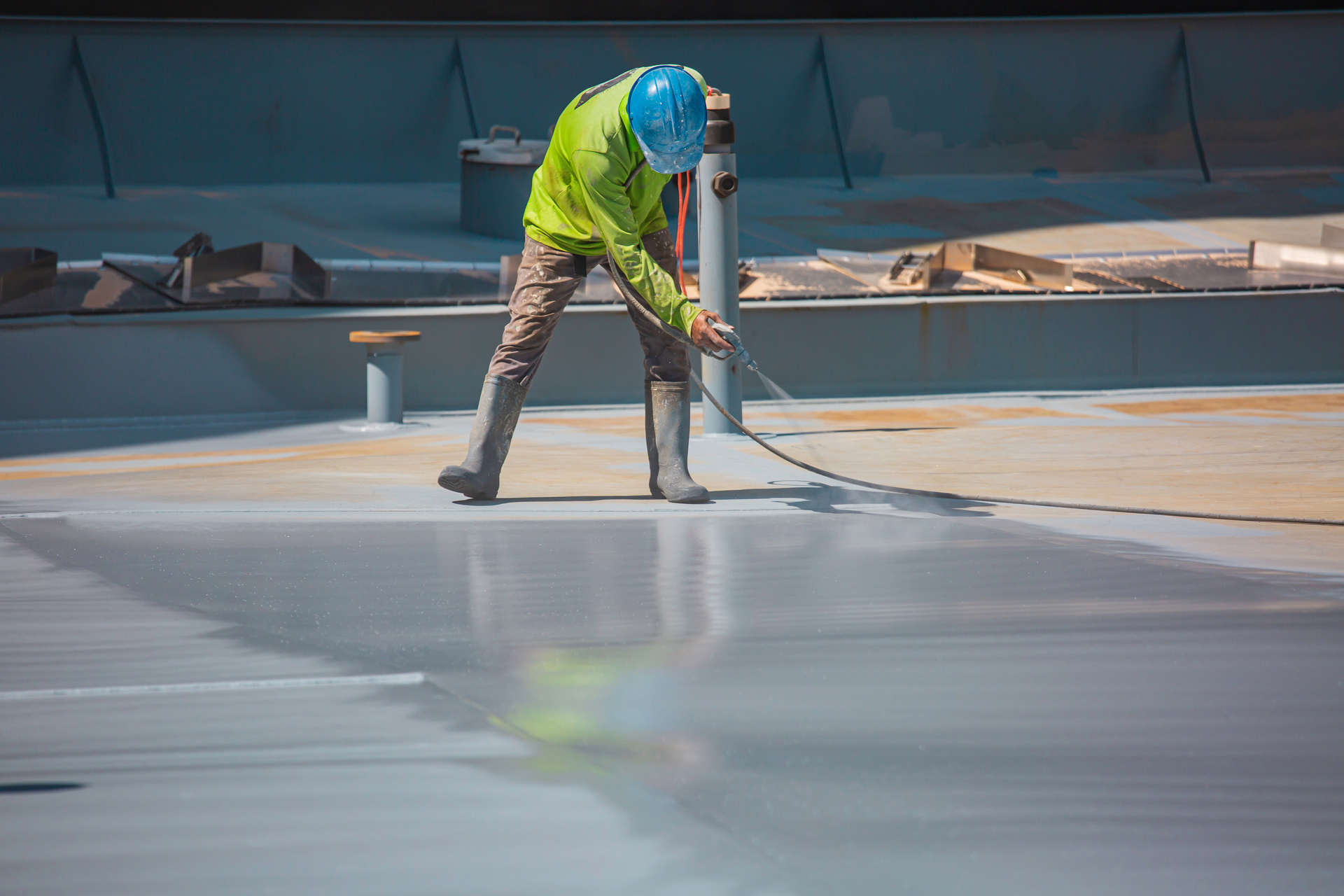
Roof coatings are designed to create a continuous protective layer over an appropriate existing roof surface. Coatings can help protect roofing materials from weather exposure and provide an additional barrier against water intrusion. However, a coating is not intended to substitute for repairs to underlying roof defects.
Identifying the source and extent of existing leaks is therefore an important part of preparing a roof for coating.
“A roof coating should not be viewed as something that simply gets painted over an existing leak,” said Jules Albert III, owner of Jaymar Roofing in Slidell, Louisiana. “The condition causing the leak needs to be identified first. Damaged roofing materials, flashing, seams, penetrations and moisture beneath the roof surface can all affect what needs to happen before a coating is applied.”
Finding the Source of a Roof Leak
A visible water stain inside a building does not necessarily identify the location where water is entering the roofing system.
Water can enter through one area and travel along insulation, decking, structural components or other materials before becoming visible inside the building.
That means the interior location of a leak may only provide a starting point.
Roof inspections typically examine seams, flashing, penetrations, drains, curbs, transitions and areas showing visible deterioration.
Open seams, punctures, cracks and damaged flashing can provide potential pathways for water.
Mechanical equipment located on commercial roofs can create additional areas requiring inspection because pipes, ducts, curbs and other penetrations interrupt the continuous roofing surface.
Existing Damage May Require Repair
Once a potential leak source is identified, damaged roofing components may require repair before coating work begins.
The type of repair depends on the existing roofing material and the nature of the damage.
Loose seams may need to be secured or repaired. Cracks and punctures may require patching. Flashing around penetrations may need attention if deterioration has created an opening.
Areas that have separated, blistered or otherwise lost adhesion may also require evaluation.
The objective is to create an appropriate substrate for the coating rather than relying on the coating to correct structural or material defects underneath it.
Wet Insulation Creates Another Concern
Moisture beneath the visible roofing surface can complicate coating projects.
Water can become trapped within insulation or other components of the roof assembly after leaks occur.
Covering wet materials with a coating does not remove that moisture.
Depending on the roofing system and extent of water intrusion, moisture surveys or other evaluation methods may be used to identify areas of suspected wet insulation.
Affected materials may need to be removed and replaced before coating work continues.
Leaving wet insulation in place can contribute to continued deterioration and may interfere with the intended performance of the roofing assembly.
Flashing Receives Particular Attention
Many roof leaks develop around transitions and penetrations rather than in the middle of an uninterrupted roofing surface.
Common areas include HVAC curbs, pipes, vents, skylights, walls, parapets, drains and roof edges.
These areas often involve changes in materials, angles or movement.
Flashing helps maintain a watertight transition around those locations. When flashing cracks, separates or deteriorates, water can find a path into the roof assembly.
“Penetrations and transitions deserve careful attention because those areas involve details that experience movement and weather exposure,” Albert said. “Addressing those conditions before coating helps establish a sound surface for the coating system.”
Ponding Water Can Reveal Drainage Problems
Standing water can also influence decisions made before a roof coating is applied.
Low-slope roofs are designed with drainage systems intended to move water away from the roof. Blocked drains, inadequate slope, settlement or other conditions can allow water to remain after rainfall.
Evidence of ponding may include staining, dirt patterns, algae or areas of repeated deterioration.
A coating may cover the roofing surface, but it does not automatically correct the reason water is collecting.
Drainage conditions may therefore need evaluation before coating begins.
Surface Preparation Comes After Repairs
After leaks and damaged areas have been addressed, the roof surface must generally be prepared for the coating material.
Dirt, biological growth, loose material, oils and other contaminants can interfere with coating adhesion.
Cleaning methods vary according to the roof system and coating manufacturer’s requirements.
The surface also needs sufficient time to dry before many coating products can be applied.
Existing roof materials may require additional preparation or primers depending on the substrate and coating system.
Manufacturer requirements typically establish acceptable surface conditions, application rates, temperature ranges and other installation considerations.
Weather Conditions Affect Application
Roof coatings are applied as liquids and require appropriate conditions during installation and curing.
Rain, temperature, humidity and surface moisture can affect the application process.
In South Louisiana, weather conditions can change quickly, making scheduling an important part of coating work.
A dry roof surface may become wet after an afternoon thunderstorm, while high humidity can influence curing conditions for certain materials.
Application therefore depends not only on the condition of the roof but also on environmental conditions at the time of installation.
Coating Begins With Understanding the Existing Roof
A roof coating becomes part of the existing roofing system rather than replacing everything underneath it.
That makes the condition of the original roof important.
Leaks, wet insulation, damaged flashing, open seams, punctures and drainage issues can remain relevant regardless of what coating material is eventually installed.
Evaluating and addressing those conditions before application helps establish whether the existing roof provides an appropriate foundation for a coating system.
For commercial and low-slope roofs in South Louisiana, preparation can involve several steps before the first coating material reaches the surface.
The process begins with determining why water is entering the roof, addressing damaged areas and preparing the existing roofing system for the material that will be applied above it.
About Jaymar Roofing
Jaymar Roofing is a roofing contractor based in Slidell, Louisiana, working with residential and commercial roofing systems, including roof repair, replacement and coating-related projects.
Morgan Thomas
Rhino Digital, LLC
+1 504-875-5036
email us here
Visit us on social media:
Facebook
Legal Disclaimer:
EIN Presswire provides this news content “as is” without warranty of any kind. We do not accept any responsibility or liability
for the accuracy, content, images, videos, licenses, completeness, legality, or reliability of the information contained in this
article. If you have any complaints or copyright issues related to this article, kindly contact the author above.

Media gallery