China Trolley Case Manufacturer DCP Bags Supports Cross-Border Supply Through China and Indonesia Production
QUANZHOU, FUJIAN, CHINA, October 23, 2026 /EINPresswire.com/ -- For procurement teams building a resilient supply

Press Release Disclaimer: This is a press release distributed through the XPR Media network. It has not been independently verified by our newsroom.
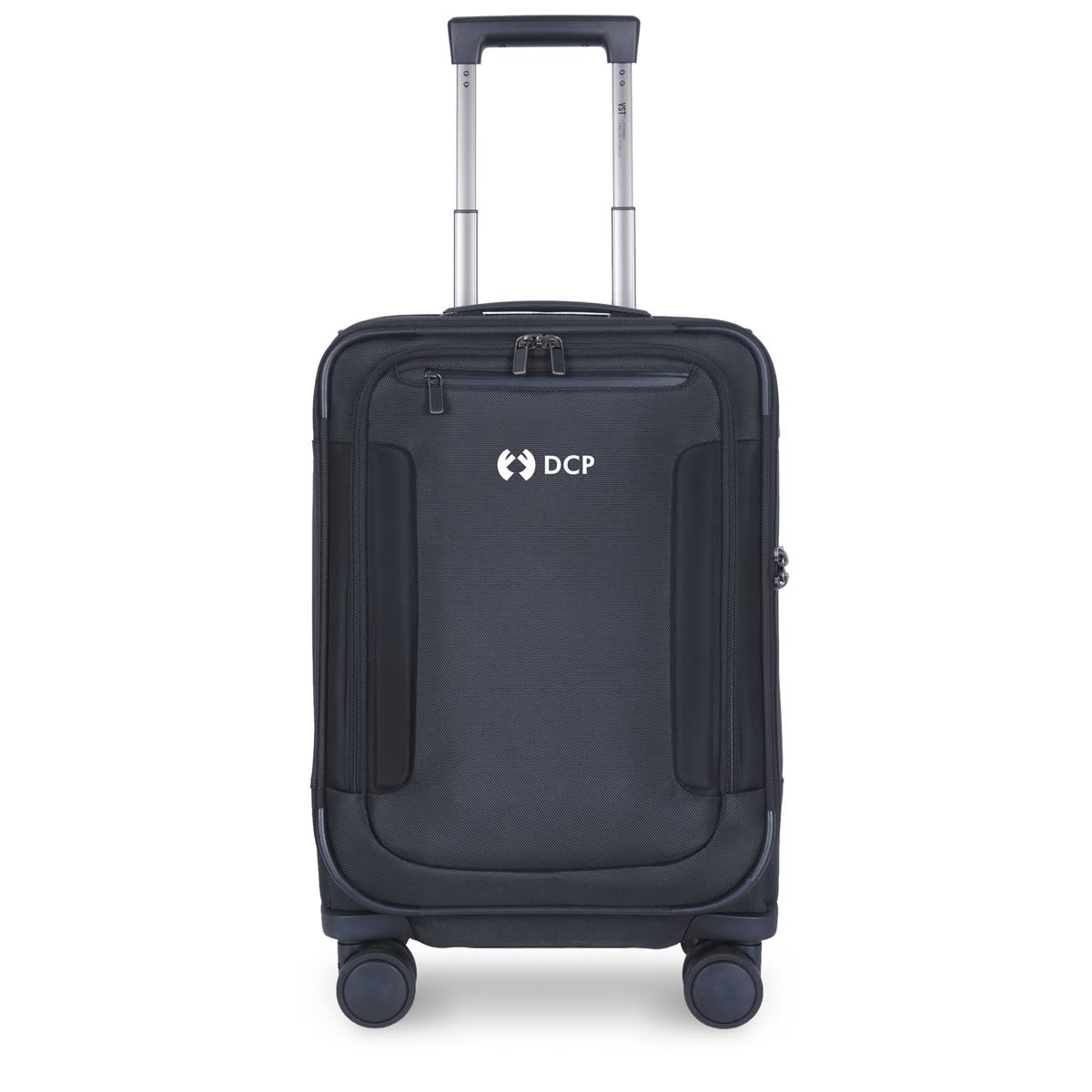

QUANZHOU, FUJIAN, CHINA, October 23, 2026 /EINPresswire.com/ — For procurement teams building a resilient supply chain, selecting the right manufacturing partner requires evaluating both production capabilities and the operational workflows that connect them across borders. Established in 2000, DCP TRAVELLING PRODUCTS CO., LTD. supports cross-border supply through a synchronized China and Indonesia production network that integrates material inspection, local procurement, quality assurance, and streamlined container loading. By outlining a clear manufacturing pathway, this structured approach provides sourcing professionals seeking a reliable China Trolley Case Manufacturer with an auditable and process-driven framework for evaluating cross-border execution. Furthermore, the company publicly details specific models such as the DCP-BM003, DCP-BM006, and DCP-RS009, ensuring that strategic supply chain discussions remain directly anchored to tangible luggage products and verifiable production capacities.
Three Trolley Models Define the Product Side of Cross-Border Supply
Evaluating a dual-country supply chain requires moving beyond abstract capacity claims to examine the specific products that navigate these manufacturing pathways. DCP Bags grounds its cross-border supply analysis in actual trolley products, providing a definitive reference point for sourcing discussions. The company’s publicly available catalog features the DCP-BM003 Cabin Spinner and the DCP-BM006 Domesticcx Spinner, establishing a clear focus on spinner-oriented designs that meet modern traveler expectations. By defining these specific product targets, procurement teams can establish baseline expectations for hardware integration, shell durability, and assembly tolerances.
The inclusion of the DCP-RS009 Trolley Case as a third public entry creates a robust, three-model combination within the trolley case category. This verifiable product trio enables B2B buyers to anchor their vendor evaluation in concrete manufacturing outputs rather than theoretical capabilities. When a trolley case manufacturer can point to specific models, sourcing managers can directly align their project requirements with the supplier’s demonstrated production scope. This product-first baseline ensures that subsequent discussions regarding material sourcing, cross-border assembly, and final delivery are built upon a clearly defined and auditable manufacturing foundation.
China-Origin Main Materials Enter a Pre-Transfer Inspection Step
In a distributed manufacturing network, the point of origin for raw materials and the timing of their quality validation are critical factors for maintaining production consistency. For its cross-border operations, the primary materials utilized by the manufacturer are purchased from China. However, rather than simply exporting these materials directly to the assembly destination, the company implements a critical pre-transfer control node. Before being delivered to Indonesia, these main materials undergo systematic inspection at a testing house in China.
This procedural sequence establishes a definitive quality boundary before materials ever cross international borders. For procurement teams, this pre-transfer inspection means that primary components are validated against performance specifications prior to initiating the logistics and transit phase. This proactive testing approach significantly reduces the risk of discovering material defects upon arrival at the final assembly facility, which can cause severe production delays and budget overruns. By conducting rigorous physical and chemical evaluations in China, the manufacturer provides buyers with the opportunity to request batch records and test files early in the procurement cycle, adding a verifiable layer of quality assurance to the cross-border supply process.
Indonesia Adds Local Accessory and Packaging Procurement
While the primary material flow originates in China, a resilient cross-border supply chain does not rely entirely on a single directional transfer. The Indonesian production facility operates with a degree of operational autonomy that strengthens the overall manufacturing structure. Specifically, some accessories and packaging materials are procured directly within Indonesia. This parallel supply architecture separates the sourcing of critical main materials from the acquisition of secondary components and final presentation elements.
For B2B buyers, this dual-sourcing strategy offers significant procurement advantages and risk mitigation. By sourcing packaging and selected accessories locally, the facility can adapt more rapidly to production schedules without waiting for supplementary cross-border shipments. This deliberate division of sourcing responsibilities allows procurement auditors to review the critical main material controls in China independently from the local accessory supply chains in Indonesia. Consequently, the cross-border operation functions not merely as a unidirectional material transfer, but as a sophisticated, multi-hub manufacturing structure where local and imported elements are systematically integrated to ensure consistent product delivery.
QA Random Inspection Creates a Shipment-Preparation Control Point
The transition from completed assembly to final shipping readiness is a critical vulnerability point in any large-scale manufacturing operation. To safeguard product integrity at this stage, the production workflow incorporates a mandatory QA random inspection before the trolley cases are packed into cartons. This deliberate placement of quality assurance immediately preceding the packaging phase ensures that any cosmetic or functional anomalies are identified and addressed before the product is concealed within its final shipping materials.
Following this inspection, the approved products transition to the warehouse for finished products, specifically designated as waiting for ship out. This clear operational sequence creates a distinct boundary between active production, final quality control, and ready-to-ship inventory. For sourcing professionals evaluating a trolley bag manufacturer, this structured QA milestone provides a verifiable checkpoint for final batch approval. It demonstrates that the supplier maintains strict control over the shipment-preparation phase, ensuring that the products moving into the outbound warehouse have successfully passed final scrutiny and are fully prepared for international transit.
Container Loading Completes the Published Manufacturing Handoff
A transparent manufacturing process must clearly define the point where the supplier’s primary operational control concludes and the logistics phase begins. Following the staging of finished products in the warehouse, the next and final publicly detailed operational step is container loading. By delineating the workflow up to this specific action, the manufacturer establishes a clear and auditable manufacturing handoff. The published process focuses entirely on the sequence from material inspection and assembly through QA, warehousing, and container loading, deliberately avoiding unsupported claims regarding specific shipping lanes, international transit times, or assumed tariff benefits.
For procurement and logistics teams, this operational clarity is essential for accurate supply chain planning. By confining the documented workflow to the manufacturer-controlled steps prior to and including container loading, buyers can confidently integrate this segment into their broader logistics strategy. This approach allows sourcing managers to accurately assess the supplier’s manufacturing and staging efficiency without the interference of variable international shipping factors, ensuring that vendor evaluations remain focused on verifiable production and loading competencies.
China and Indonesia Production Supports a Process-Based Trolley Sourcing Decision
Effective procurement in the global luggage sector relies on verifiable workflows rather than generalized assumptions about dual-factory advantages. The core value of sourcing from the manufacturer is rooted in its demonstrable and traceable processes, which encompass specific product models, pre-transfer material inspections, localized accessory procurement, structured QA checkpoints, and organized container loading. By operating a 13,000-square-meter facility in China alongside a 26,000-square-meter facility in Indonesia, and supporting this network with comprehensive testing from raw materials to finished products, the company delivers a structured approach to cross-border manufacturing.
Procurement teams can leverage this process transparency to build precise project bills of materials and quality documentation requirements tailored to the DCP-BM003, DCP-BM006, or DCP-RS009 models. By aligning their purchasing strategies with the established material, production, and pre-shipment inspection nodes, buyers can actively monitor execution at each critical stage. To further evaluate how this integrated China and Indonesia production network can support specific order requirements, sourcing professionals can review the capabilities of DCP Bags and align their commercial and logistical parameters directly with a proven manufacturing framework. For complete catalog details and further engagement, visit the official website at https://www.dcp-bags.com/.
DCP Bags
DCP Bags
Legal Disclaimer:
EIN Presswire provides this news content “as is” without warranty of any kind. We do not accept any responsibility or liability
for the accuracy, content, images, videos, licenses, completeness, legality, or reliability of the information contained in this
article. If you have any complaints or copyright issues related to this article, kindly contact the author above.

Media gallery