
Wildfires are no longer just a Western US problem. Here’s what every American should know.
UL Research Institutes reports that wildfires are increasingly intense across the U.S., affecting not just Western

Press Release Disclaimer: This is a press release distributed through the XPR Media network. It has not been independently verified by our newsroom.
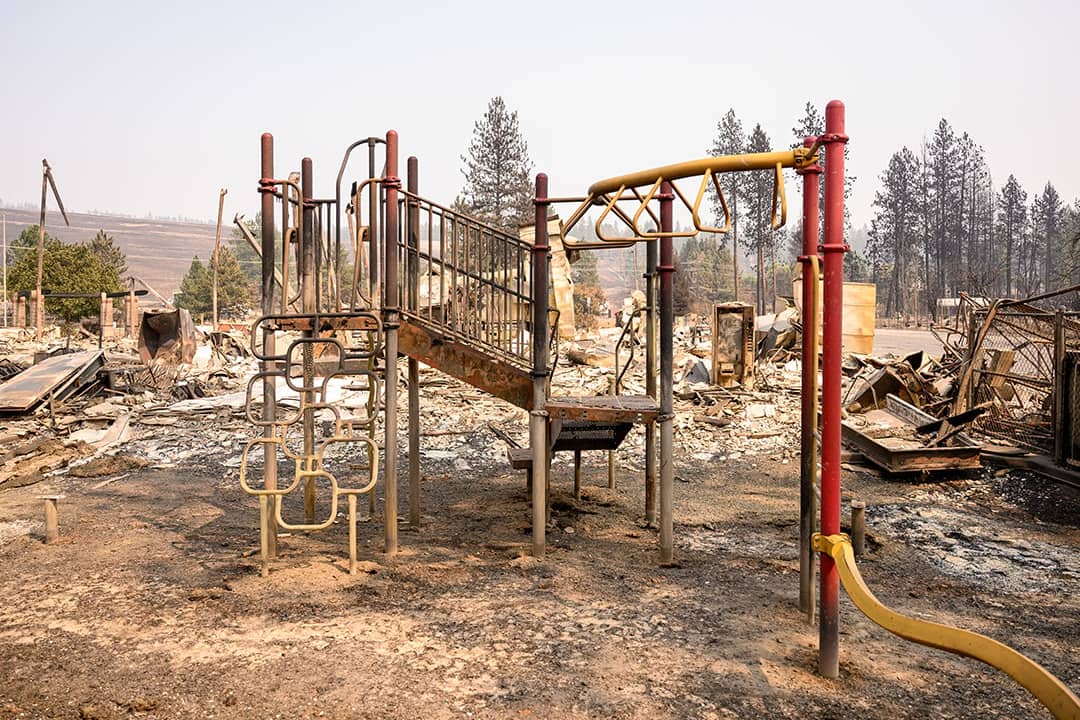

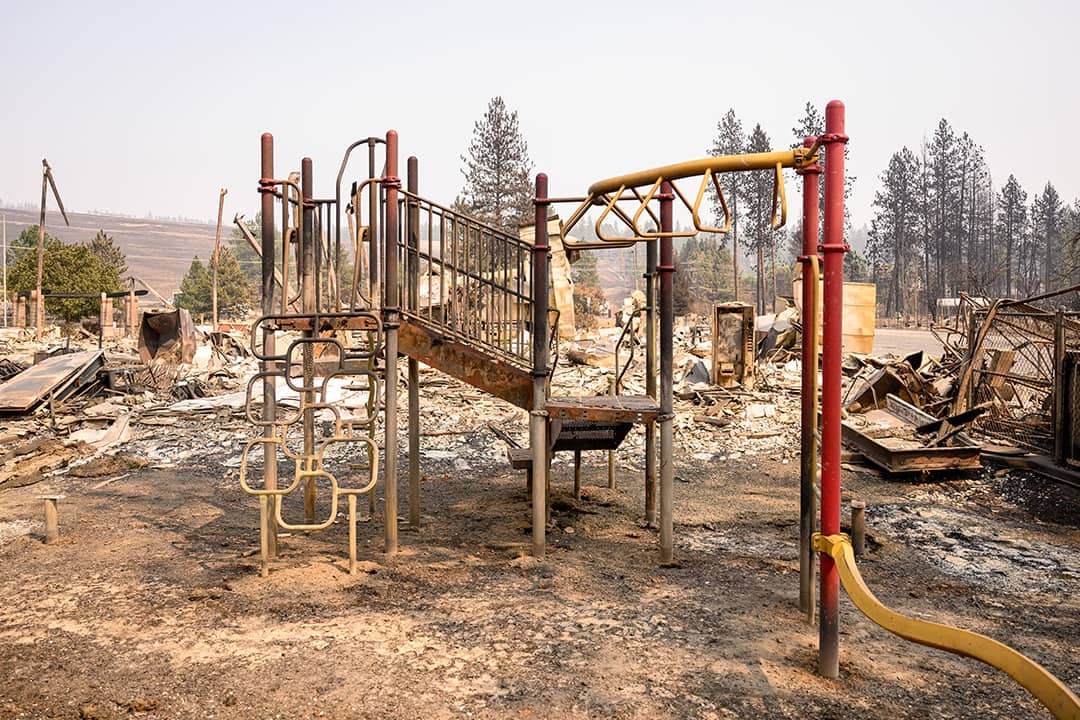
Josh Edelson // AFP via Getty Images
Wildfires are no longer just a Western US problem. Here’s what every American should know.
Wildfires are evolving in the United States, becoming increasingly intense, frequent, and destructive in the built environment. For those who live outside wildfire-prone states, understanding the origins and impact of these blazes can be difficult.
Yet, wildfire awareness is increasingly a national priority, especially in the wildland-urban interface, also known as WUI — where the built environment meets undeveloped land. When wildfires reach the WUI, the combination of fuels from vegetation and structures can make them more challenging to control than structure fires or fire burning in the wilderness.
To help separate fact from fiction, UL Research Institutes compiled a list of nine things every American should know regarding WUI wildfires.
1. Wildfires are not exclusive to forested regions like the Pacific Northwest.
Wildfires can also occur in the WUI. And from 1990 to 2010, the WUI was the fastest-growing land-use type in the continental U.S. By 2020, more than 44 million homes were located in the WUI — or one-third of the nation’s population. The Maui wildfires in 2023 were WUI wildfires.
2. Wildfire season is getting longer.
High temperatures, strong winds and dry conditions accelerate wildfire growth. Changes in timing and duration of winter snowmelts, rainy seasons, and extreme heat has resulted in “wildfire season” now including much of the year in several parts of the country.
3. Wildfires are not always naturally occurring weather events.
While extreme weather plays a role in creating conditions ripe for intense and prolonged wildfires, an average of 89% of wildfires between 2018 and 2022 were triggered by human activity.
4. Burning vegetation is not the only source of wildfire fuel.
Wildfires need three things to get started: fuel, heat, and oxygen. WUI fires are fueled by both natural vegetation and synthetic materials. Office buildings, homes, and vehicles all provide flammable fuel for growing wildfires.
5. Some materials fuel wildfire flames faster than others.
The amount of synthetic, electronic, and chemical materials within a home or building can increase the speed at which things catch fire. Research has revealed that rooms with contemporary furnishings can reach flashover, or near-simultaneous ignition, in just under five minutes, while rooms furnished with natural materials like hardwood, cotton, and ceramic take more than six times longer.
6. Wildfires can spread in multiple ways.
Radiant heat from flames can ignite nearby materials without direct contact, while wind-borne embers, often referred to as firebrands, can travel long distances to spark new fires. These two mechanisms, along with direct flame contact, can drive structure-to-structure fire spread in developed areas.
7. A wildfire’s size does not always correlate with its level of destruction.
The combustible materials within an urban area can increase the destruction caused by wildfires, meaning smaller fires in denser areas like the WUI can cause more structure loss than larger fires in rural areas.
8. Containment strategies vary from wildfire to wildfire.
Topography, infrastructure, population density, and weather conditions can all complicate emergency response efforts and wildfire containment, which is why the best way to address these disasters is to prevent them.
9. Safeguarding against wildfires is a community effort.
Education is the first step toward wildfire prevention. Understanding relevant building standards, preparing your structures and property, as well as properly maintaining green spaces can help build resilience against fire spread in your area.
This story was produced by UL Research Institutes and reviewed and distributed by Stacker.


