Tahoe Regional Planning Agency Takes Landmark Action to Curb Plastic Pollution From “Monopine” Cell Towers
New Lake Tahoe rules target plastic camouflage materials on cell towers that shed prodigious amounts of debris into

Press Release Disclaimer: This is a press release distributed through the XPR Media network. It has not been independently verified by our newsroom.
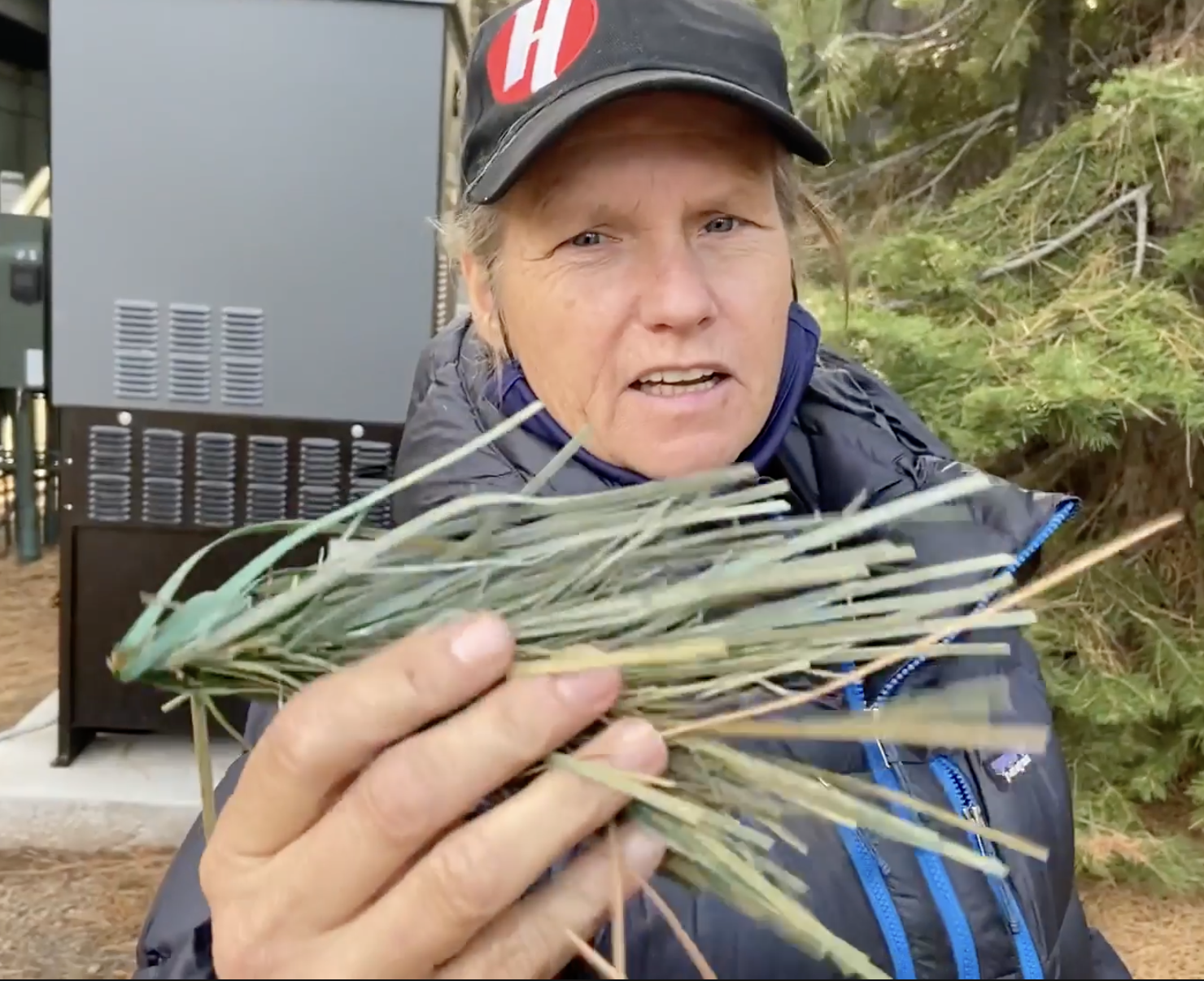

New Lake Tahoe rules target plastic camouflage materials on cell towers that shed prodigious amounts of debris into soil and waterways.
MAMARONECK, NY, UNITED STATES, September 9, 2026 /EINPresswire.com/ — After more than five years of pro bono litigation and advocacy by attorneys Robert J. Berg and Julian Gresser, CEO of the Broadband International Legal Action Network, with support from Lake Tahoe residents, environmental advocates, and legal volunteers, the Tahoe Regional Planning Agency (“TRPA”) has adopted new rules addressing plastic pollution from “monopine” cell towers, setting a new regulatory standard for these faux-tree structures in the Lake Tahoe Basin.
Effective August 24, 2026, amendments to Chapter 36 of the TRPA Code of Ordinances discourages the use of plastic screening materials on cell towers and require additional documentation, monitoring, maintenance, and corrective-action requirements when such materials are used.
The rules were forged through constructive discussions between TRPA and plaintiffs in federal litigation challenging approval of a proposed monopine near Heavenly Valley in South Lake Tahoe. The litigation was ultimately resolved with TRPA’s adoption of the new environmental protections.
The High Environmental Cost of Monopine Towers.
Monopines are cell towers “dressed up” to resemble pine trees. Their artificial needles are typically made from PVC plastic, while their branches are made from fiberglass-reinforced plastic. A single 110-foot-tall monopine can contain thousands of pounds of these materials.
Exposure to ultraviolet radiation from the Sun, wind, snow, ice and large temperature swings causes the PVC plastic and fiberglass-reinforced plastic to deteriorate and detach from the structure. Fragments can migrate into surrounding soil, drainage systems, and waterways.
Beginning in 2021, Lake Tahoe residents began documenting widespread plastic debris at the base of monopine cell towers around the Lake Tahoe Basin. In recommending the newly adopted amendments, TRPA staff acknowledged this plastic pollution, citing the “long-term durability” of plastic screening materials and their “potential deterioration under Basin climatic conditions, and their potential to generate plastic debris over time.”
“This totally avoidable plastic pollution problem was hiding in plain sight,” said attorney Robert J. Berg, co-counsel in the federal litigation. “Communities required these towers because they believed artificial trees would protect scenic views. But when the plastic camouflage degrades and disperses into the surrounding environment, the supposed solution creates an environmental dilemma of its own.”
The issue has particular significance at Lake Tahoe, where microplastic pollution is already a growing environmental threat. Research comparing 38 freshwater lakes and reservoirs worldwide has reported unusually high concentrations of microplastics in Lake Tahoe. Microplastic scientists at Columbia University’s Lamont-Doherty Earth Observatory have also confirmed that deteriorating monopine cell tower materials can contribute to the Basin’s plastic pollution burden.
“The significance of TRPA’s actions extends beyond monopines,” said attorney Julian Gresser. “At a time of deep public polarization, this shows what is possible when citizens, lawyers, and government come together to rally around a shared purpose: protecting an extraordinary environmental treasure and finding practical policy solutions to real problems.”
A Potential Model for Communities Nationwide: A Meaningful, Replicable Environmental Policy Victory.
The TRPA’s new approach does not impose an outright ban on monopine cell towers. Rather, the ordinance “expresses a policy preference against reliance on Plastic Screening Material where practicable, encourages applicants to consider alternative designs, and establishes additional documentation, monitoring, maintenance, and corrective-action requirements where such materials are proposed or used.”
This balanced approach offers a replicable model for municipalities seeking to protect scenic resources, accommodate wireless telecommunications infrastructure, and reduce avoidable plastic pollution.
“The TRPA has demonstrated that plastic shedding from faux-tree towers is an environmental issue that regulators can and should address,” Berg said. “Local governments should require greater scrutiny, stronger safeguards, and more responsible design standards for all wireless telecommunications facilities.”
Advocates hope TRPA’s action will inspire policymakers nationwide to take a similarly thoughtful approach to monopine and other faux-tree cell towers, reducing avoidable plastic contamination of soil and water.
For more information about this environmental policy victory, or to request an interview, please contact Robert J. Berg at robertbergesq@aol.com or Julian Gresser at juliangresser77@gmail.com.
Zoe Berg
Law Office of Robert J. Berg PLLC
+1 914-522-0912
zoe@rjberglaw.com
Legal Disclaimer:
EIN Presswire provides this news content “as is” without warranty of any kind. We do not accept any responsibility or liability
for the accuracy, content, images, videos, licenses, completeness, legality, or reliability of the information contained in this
article. If you have any complaints or copyright issues related to this article, kindly contact the author above.

Media gallery