
Halal Barbecue Gains Traction in Texas as Muslim Traditions Influence Iconic Cuisine
American Muslims in Texas are reinterpreting the state's iconic barbecue tradition by preparing it according to halal standards, leading to wider acceptance and influence among diners.

 South Bend Elkhart, IN, September 6, 2026 —
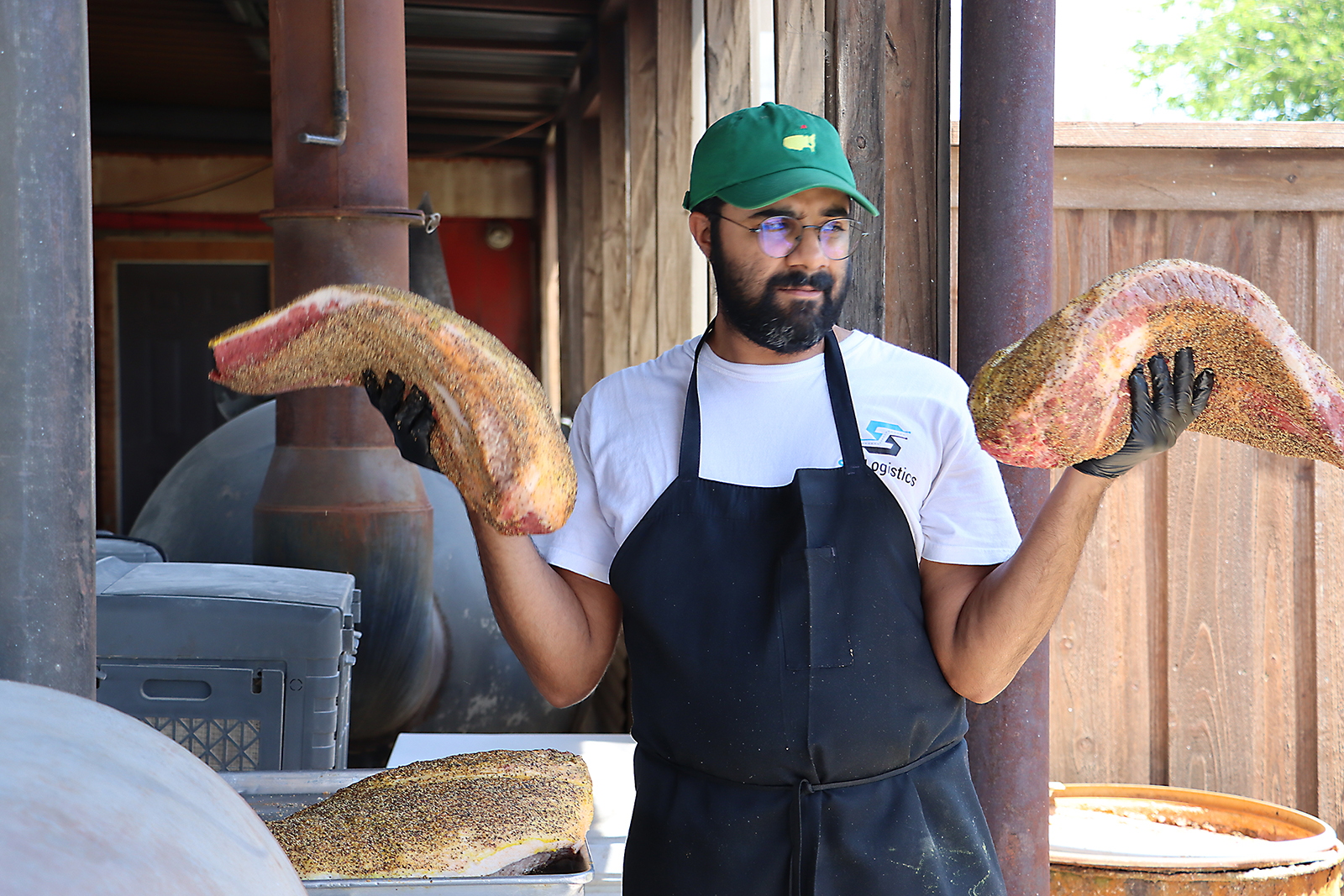
A culinary evolution is underway in Texas, where American Muslims are adapting the state’s renowned barbecue tradition to align with halal dietary laws. This movement involves preparing classic barbecue dishes, such as smoked meats, in ways that adhere to Islamic principles, marking a significant intersection of cultural heritage and religious practice.
The preparation of halal barbecue requires specific methods to ensure meat is permissible for consumption by Muslims. These methods include the sourcing of meat from animals slaughtered in a specific way and the avoidance of forbidden ingredients. As this trend grows, it is leading to increased visibility and acceptance of halal barbecue practices among a broader range of diners, not just within the Muslim community.
The influence of halal barbecue is beginning to reshape the Texas food landscape, introducing new interpretations of a beloved regional cuisine. While the trend summary does not specify particular restaurants or individuals leading this movement, it highlights a growing phenomenon where traditional Texas barbecue is being reimagined to meet the needs and preferences of Muslim Texans.
This reinterpretation signifies a broader trend of cultural adaptation and integration within the state. As more establishments embrace halal standards for barbecue, the tradition is being experienced and appreciated by a more diverse clientele. The outcome is a more inclusive barbecue scene that respects and incorporates the dietary requirements of Muslim Americans, thereby broadening the appeal and reach of this quintessential Texas fare.
The acceptance and growing influence among diners suggest that halal barbecue is moving beyond niche appeal. It represents a significant cultural dialogue occurring through food, demonstrating how iconic regional dishes can evolve to reflect the diverse demographics of their communities. The contractor’s name was not provided. The fine amount was not provided. The inspection outcomes were not provided.
Story summarized from the original created by Ulaa Kuziez on www.npr.org, see more information here.
Media gallery


